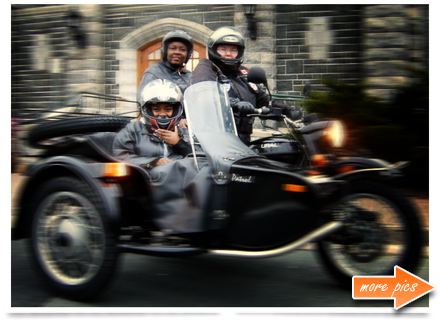
Planning a Sidecar Day on Nova Scotia’s Coast
A sidecar ride is an unusual way to see Nova Scotia, and a little preparation makes the day more comfortable. This article collects general tips for anyone considering an open-air coastal outing around Halifax, Peggys Cove or Lunenburg. It is not tied to any particular operator.
Choose a route that fits your time
The region offers options of different lengths. A city circuit in Halifax suits a few hours, a coastal run to Peggys Cove takes roughly half a day, and a trip down the South Shore to Lunenburg is best treated as a whole day. Longer days allow more walking breaks, photo stops and meals, while shorter ones keep the schedule relaxed. Allow extra time for traffic in and around the city, especially on weekdays.
Think about the season
Late spring, summer and early autumn are the most popular periods for riding. Summer brings longer daylight and milder temperatures, but also more visitors at well-known spots such as Peggys Cove. Early autumn offers cooler air and often clearer skies. Winter and early spring bring cold, wet or icy conditions that make open-air riding unattractive.
Dress in layers
Coastal air can feel much cooler than conditions inland, and wind adds to the effect. Long trousers, closed shoes and a windproof jacket are sensible choices. A thin extra layer is easy to carry, and gloves help on cooler mornings. Rain gear is useful if there is a chance of showers, although ride organisers often change plans when rain is steady.
Expect changeable weather
Nova Scotians joke that the weather can change in a blink. Fog is especially common along the Atlantic shore, which can hide views for a time and then lift. Check the forecast on the morning of the ride, and be flexible. If conditions are poor, many scenic stops, including museums and harbour-front walks, work well on a second day.
Know the rules
Helmets are mandatory for motorcycle riders and passengers in the province. Sidecar rigs are licensed as motorcycles and obey the same road rules as other vehicles. Passenger limits and weight limits apply, and the driver may ask people to sit in particular seats to keep the rig balanced. Listen to the driver’s briefing, keep hands and feet inside the sidecar, and follow any instructions about getting on and off.
Plan your stops
- Peggys Cove: Allow time to walk near the lighthouse, but stay on marked paths and well back from the wet granite, where waves can be dangerous.
- Lunenburg: The waterfront and old town reward slow walking. The town is a UNESCO World Heritage Site, and its colourful buildings are a favourite subject for photographers.
- Halifax: The waterfront and historic sites cover several centuries of history, including the city’s links with Titanic recovery work and the explosion that devastated part of the harbour.
Photography and comfort
Keep a camera or phone secured with a strap, because wind can take loose items. Many riders prefer to take pictures at the stops rather than in motion. Sunglasses or a visor help with glare off the water, and sunscreen is worth packing even in cool weather.
Be considerate
Residents live and work in the places you visit, so keep noise down in small villages, park only where permitted and take your litter with you. Respect private property along shoreline roads.
Before you go
Check opening times for any attractions you want to visit, carry some cash or a card for meals, and tell someone about your plans for the day. For route outlines see the tour routes page, for common questions read the sidecar FAQ, and for background on the motorcycles visit the Ural page.